
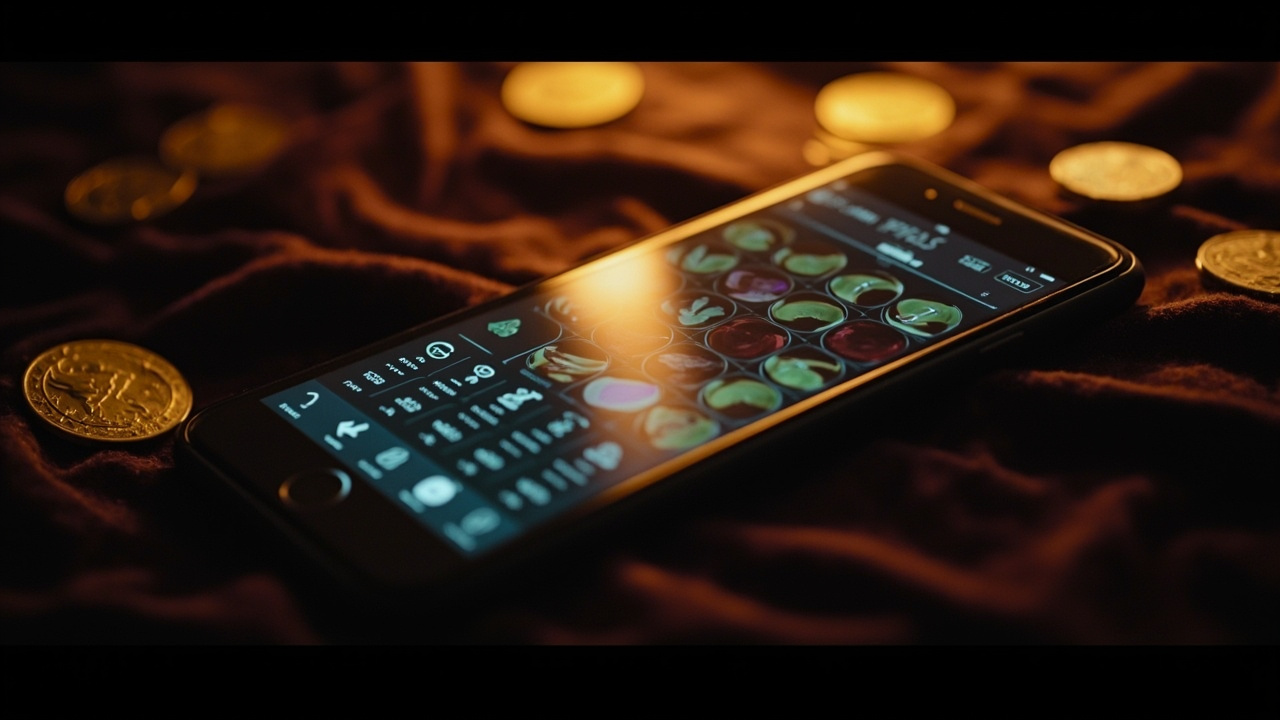
A century ago, the clang of a Liberty Bell inside a smoke-fogged Sydney pub would have stopped a conversation; today that same idea hums quietly inside a phone screen. The pokies history evolution is really the story of how a basic three-reel mechanical box became a global entertainment category, with Australia sitting close to the centre of that arc for most of the last ninety years. Anyone comparing current welcome terms and verified bonus codes can scan https://playcrocobonuscodes.com/ before sampling any modern offshore platform.
From Liberty Bell to the Aussie Pub
Charles Fey’s Liberty Bell rolled out of a San Francisco workshop in 1899, and within a decade the same three-reel concept had crossed the Pacific into Australian clubs and hotels. Local makers such as Aristocrat, founded at a 1953 Sydney repair shop, began producing machines through the 1950s and 1960s, tailoring cabinet colour to local tastes. By the 1970s, poker machines were a fixture from Wollongong to the Western Suburbs, and the experience was still built around a lever, a clattering reel strip, and a payout tray the bartender had to refill every Friday arvo.
That identity – a familiar machine, a familiar ritual – is the first distinguishing trait of the pokies history evolution. The core offer was absurdly simple: spin, match, collect. There were no bonus rounds, no second-screen features, and no public breakdown of the house edge. Usability was measured in coins per minute, and the social fit was the pub itself. Even here, the trade-off was already visible. I have watched banking teams chase smaller discrepancies in transaction ledgers than the margin a single coin-op collected each night, and that visibility gap runs through every chapter we organise around the pokies history evolution.
Microprocessors, Video Reels and Virtual Mapping
The next chapter of the pokies history evolution opened in 1975, when a small Las Vegas company called Fortune Coin wired a television screen into a cabinet and let the reels become pixels. Within fifteen years, Australian venues had largely replaced mechanical drums with video screens driven by microprocessors, and the implications were enormous. Suddenly a single cabinet could host multiple denominations, multiple paylines, and a library of themed games without anyone needing to swap physical reels. That was the second distinguishing trait: programmability, which turned the pokies from a hardware product into a software product.
It also introduced the least understood feature on the modern cabinet: virtual reel mapping. The reel strip you see is almost never what the random number generator consults. Game designers assign heavier weight to low-value symbols and lighter weight to the top-paying icon, so the jackpot is genuinely rarer than the visible layout suggests. As someone who has spent years organising operational data and running incident response, I reckon this is the single most useful thing a player can learn about any modern game, because it reframes the bonus round from a near-miss into a calculated event with a published weight, not a promise.
Online, Mobile and the Tournament Floor
The 1990s pushed the pokies history evolution off the venue floor and into the browser. Microgaming’s Cash Splash, released in 1998, is widely treated as the first true online progressive jackpot slot, and within a decade the same game could be played on a smartphone in Wollongong’s CBD. Modern offshore platforms offer thousands of titles from providers like Pragmatic Play, NetEnt and Play’n GO, with most libraries also available on mobile, backed by externally audited random number generators.
That breadth is the third distinguishing trait: scale. A single account holds hundreds of games, a dozen jackpot pools, and a tournament lobby with a shared leaderboard. “Bagging chips” ends a tournament day with your stack recorded, and the leaderboard payout lands regardless of the underlying spin results. Expanding and sticky wilds have reshaped the bonus round on a whole family of modern games, and pokies with wilds deserve a closer look if you enjoy the more decorative end of the catalogue.
The trade-off is real, though. Offshore platforms hold no Australian licence, so dispute resolution, payout timelines, and verification standards sit outside the local framework. Player protection has to be self-managed, a quiet but meaningful cost of the convenience.
The Grinder’s Game and Where the Reel Stands
No discussion of the pokies history evolution is complete without naming the player type who has quietly kept the format alive: the grinder. A grinder plays small stakes, often ten or twenty cents a spin, across long sessions of low-volatility games, and modern pokies are built around that habit. Autoplay, loss limits, and session reminders all live in the responsible gambling menu.
The everyday usability of the modern reel is its strongest suit. Registration takes a few minutes, deposits flow through familiar rails, and support teams are reachable around the clock, no worries about English coverage. “Mobile responsiveness and incident response are the metrics I watch first,” says Abigail Edwards, Commercial Director at Federation Betting Insights. “Pokies platforms have improved, but the gap between marketing claims and audited reality is still where most disputes live.”
The overall fit, though, comes with honest limits. The reels are programmed, the math is published but rarely read, and the entertainment is paid for by the player rather than the operator. The grinder gets a long, quiet session; the casual spinner gets spectacle. Both pay the same house edge, and both should walk in with a clear ceiling, because the math is no kinder on a different day.
The Liberty Bell has been silent in Sydney pubs for decades, and the lever has disappeared from the cabinet, but the question Charles Fey’s machine first asked a century ago is the same one a Wollongong player taps on their phone tonight. Will the reels land? The pokies history evolution has changed everything about how that question is answered, and almost nothing about the answer itself.