

Chicken Road delivers a playful farmyard journey to the reels, where a courageous chicken tries to cross a busy road. This slot mixes funny animations with captivating gameplay, but before anyone begins spinning, understanding the minimum and maximum bet limits is essential. The betting range determines every session, influencing risk, potential rewards, and how long a bankroll endures. This article examines every facet of Chicken Road’s bet sizes, from the smallest coin to the highest stake, while also unpacking the game’s mechanics, bonus features, and smart wagering approaches.
Reels and Lines Clarified
Chicken Road employs a standard grid structure that the majority of slot fans will identify instantly. The game typically features five reels and three rows, creating a 5×3 layout that balances simplicity with enough positions for different symbol combinations. Instead of standard fixed paylines, the slot often employs a ways-to-win mechanic, where matching symbols on adjacent reels from left to right award a payout irrespective of their exact row position. This system can provide 243 or even more ways to win, making every spin feel brimming with possibility.
The ways-to-win approach removes the need to by hand select active paylines. Every available left-to-right combination is automatically in play, which means the total bet is spread across all ways. When a player adjusts the coin value or bet level, they are essentially changing the stake per way rather than per line. This minor difference is significant because it keeps the cost per spin stable while maximising coverage of the reel matrix. A winning combination only demands identical symbols on consecutive reels, starting from the leftmost reel.
Scatter symbols often behave differently in a ways-to-win setup. They can land anywhere on the reels and still trigger bonus rounds, as they are not restricted by the left-to-right adjacency rule. In Chicken Road, the scatter might be a road sign or a pile of eggs, and landing three or more anywhere on the grid usually unlocks free spins or a special feature. The game’s paytable, accessible from the main screen, clearly shows all symbol values and describes how the ways-to-win mechanic computes payouts for each combination.
The Quirky Farmyard Theme of Chicken Road
Chicken Road immediately captivates users with its cartoon-style farm environment. The reels sit beside a dusty country lane, featuring wooden fences, hay bales, and a bright blue sky. A plucky chicken plays the star, dodging traffic while eggs, corn cobs, and road signs rotate on the grid. Every visual element strengthens the playful “why did the chicken cross the road” joke, turning the slot seem more like an interactive cartoon than a standard fruit machine. The upbeat banjo soundtrack and squawking sound effects contribute to the cheerful atmosphere.
Symbol design is crucial in the storytelling. Lower-value icons often include stylised playing card suits made from straw or tyre tracks, while premium symbols display the chicken, a tractor, a fox, and a bag of grain. Wilds and scatters are directly linked to the narrative, with a golden egg or a speeding truck unlocking special features. The background animations respond to wins, with the chicken flapping its wings or dashing across the screen. This thematic consistency maintains players engaged spin after spin, irrespective of the bet size they choose.
Beyond the visuals, the theme influences the game’s pacing. Chicken Road is crafted to feel fast and unpredictable, much like a chicken darting across a road. The developers have synchronized this energy with a reel setup that delivers frequent small teases and occasional big surprises. Even the user interface mirrors the farmyard motif, with bet adjustment buttons designed as rustic wooden signs. This attention to detail guarantees that the betting experience feels part of the world, not tacked on as an afterthought.
Strategic Betting Strategies for Chicken Road
Playing Chicken Road with a defined betting strategy can turn a random session into a more structured and pleasant experience. The first step is determining a session budget that is entirely separate from essential funds. Once the budget is fixed, allocating it by the targeted number of spins provides a rough per-spin bet level. For instance, a 100.00 budget intended for 500 spins recommends a maximum stake of 0.20 per round. This simple calculation stops the common mistake of wasting through a bankroll too quickly.
Several practical strategies can help players obtain the most from the game’s bet range: welcome bonus Chicken Road
- Begin small, increase gradually: Opt for the minimum bet to understand the game’s pace and feature frequency. Following a win or a bonus round, consider a modest increase to leverage momentum without overcommitting.
- Apply the 1% rule: Never wager more than 1% of the total session bankroll on a single spin. This cautious approach increases playtime and minimises the risk of ruin during inevitable downswings.
- Secure profits: If a big win occurs, lower the bet size immediately to safeguard the gains. Many players set a target, such as doubling the starting balance, and then either decrease the wager or collect.
- Avoid chasing losses: Upping the bet aggressively after a losing streak rarely ends well. Stick to the predetermined plan and overcome the urge to recoup losses with one huge spin.
- Experiment in demo mode: Most online casinos provide a free-play version of Chicken Road. Experimenting with different bet sizes without real money develops confidence and demonstrates how the game performs at various stakes.
In the end, no strategy can overcome the house edge, but responsible bet management makes sure that the entertainment value remains high. Chicken Road’s broad bet range is a tool, and using it wisely separates a fun, memorable session from a frustrating one. Paying attention to the balance, taking regular breaks, and treating every spin as a paid form of amusement rather than a money-making venture preserves the experience positive.
The game’s design encourages experimentation. A player might spend an hour at the minimum bet, taking in the animations and occasional bonus, then switch to a slightly higher stake for the final ten minutes. This flexible approach works because the slot’s mechanics do not penalise bet changes. Whether the goal is to stretch a small deposit or to chase the maximum win, Chicken Road adapts to every style with its wide betting limits and transparent rules.
Return to Player and Risk level: What Players Must Be aware of
Return to Player (RTP) and variance are two numerical cornerstones that shape the Chicken Road journey, and they correlate tightly with bet sizing decisions. RTP represents the projected share of all wagered funds that the game pays back to players over millions of spins. While the precise Chicken Road RTP is found in the game’s help file, it typically falls around the market standard of 96%. This signifies that for each 100.00 bet, the game is designed to pay back around 96.00 in the overall, no matter of whether bets are minimum or highest.
Volatility , often termed variance, defines the risk level of the slot. A high-risk game like Chicken Road might award less frequently but offer greater wins when it does, while stable slots provide more modest, more frequent payouts. Chicken Road leans towards medium-to-high volatility, making it a exciting ride where endurance and a proper bankroll are essential. Players employing the lowest bet can endure lengthier dry spells without exhausting their balance, whereas max bet players must have a bigger cushion to weather the variations.
Bet size doesn’t affect RTP or volatility, but it changes the player’s view of them. A 200-spin losing streak appears far more severe at 100.00 per spin than at 0.20. Smart players adjust their bet amount with their appetite for risk and gaming targets. Verifying the game’s official RTP and volatility rating before playing is always advisable, as some casinos may present marginally different configurations. This knowledge allows bettors to make informed choices rather than leaning on guesswork.
Analyzing the Minimum Bet
The base bet in Chicken Road is designed to attract casual players and those who enjoy extended sessions with a modest bankroll. While the exact figure can change depending on the casino hosting the game, it typically starts at a very affordable level, often around 0.10 or 0.20 per spin. This low entry point guarantees that even someone with a small budget can savor the full gameplay, including all bonus features and the chance to achieve a significant win relative to their stake.
Playing at the minimum bet does not keep anyone out of the game’s most exciting moments. Free spins, wild multipliers, and scatter-triggered bonus rounds remain fully active regardless of the wager size. The only variation is that payouts scale proportionally. A 50x win at a 0.20 stake yields 10.00, while the same multiplier at a higher bet naturally pays more. For players centered on entertainment rather than pursuing huge cash sums, the min bet offers a low-risk way to explore the farmyard chaos without stress.
Selecting the minimum bet is as straightforward as tapping the left arrow or minus button until the displayed stake stops decreasing. Some interfaces also offer a “min bet” shortcut that jumps directly to the lowest possible amount. It is always a good idea to check the paytable after setting the minimum, as the displayed symbol payouts will update to reflect the current total bet. This transparency enables players to see exactly what each combination is worth before committing to a spin.
The way Bet Size Influences Bonus Features
In Chicken Road, the bet size directly scales the cash value of every bonus feature, but it rarely changes the probability of triggering them. Regardless of whether a player wagers the minimum or the maximum, the chance of landing three scatter symbols to activate free spins is mathematically unchanged. The key difference is that a 10x multiplier during a bonus round pays ten times the triggering bet, so a larger stake magnifies the reward without altering the underlying random number generator.
A number of bonus elements work with the bet size in interesting ways. Take into account these points:
- Free spins rounds: The number of awarded spins is typically fixed, but all wins during the feature use the same bet that triggered them. A max bet free spins session can be extremely lucrative.
- Wild multipliers: Some wild symbols carry random multipliers of 2x, 3x, or more. These multiply the line win, which is already proportional to the stake, generating a compounding effect.
- Pick-and-click bonuses: If the game includes a bonus where players select objects to reveal instant prizes, those prizes are typically displayed as multiples of the total bet, so higher stakes yield larger coin rewards.
- Progressive elements: Should Chicken Road feature a progressive jackpot, it might be triggered randomly, and the bet size could influence the chance of winning it, though this is not always the case.
Understanding this relationship assists players decide how much to wager when a bonus seems due. While no one can predict a feature trigger, those who enjoy the heightened tension of bonus rounds often raise their bet slightly during a perceived hot streak. The important rule is that the game never penalizes a low bet by withholding features; it simply pays out in proportion to the stake. This fairness makes Chicken Road enjoyable across all budget levels.
Setting Your Bet on Any Device
Chicken Road is developed using modern HTML5 technology, guaranteeing that the betting controls work seamlessly across desktop computers, tablets, and smartphones. On a desktop, the bet adjusters are commonly large, clickable buttons located conveniently near the spin button. Mobile versions adjust the layout for smaller screens, often relocating the bet controls to a collapsible menu or positioning them at the bottom of the screen within thumb reach. The responsive design guarantees that switching stakes is never a frustrating experience.
To adjust the bet on a mobile device, players usually tap the stack of coins or the current bet display. A pop-up or slider shows up, showing all available bet options in a vertical or horizontal list. Scrolling through and tapping the desired amount immediately updates the total stake. The game remembers the selected bet between spins, so there is no need to reset it each time. This consistency is especially handy for players who like to set a wager and then use the spacebar or auto-spin function without constant adjustments.
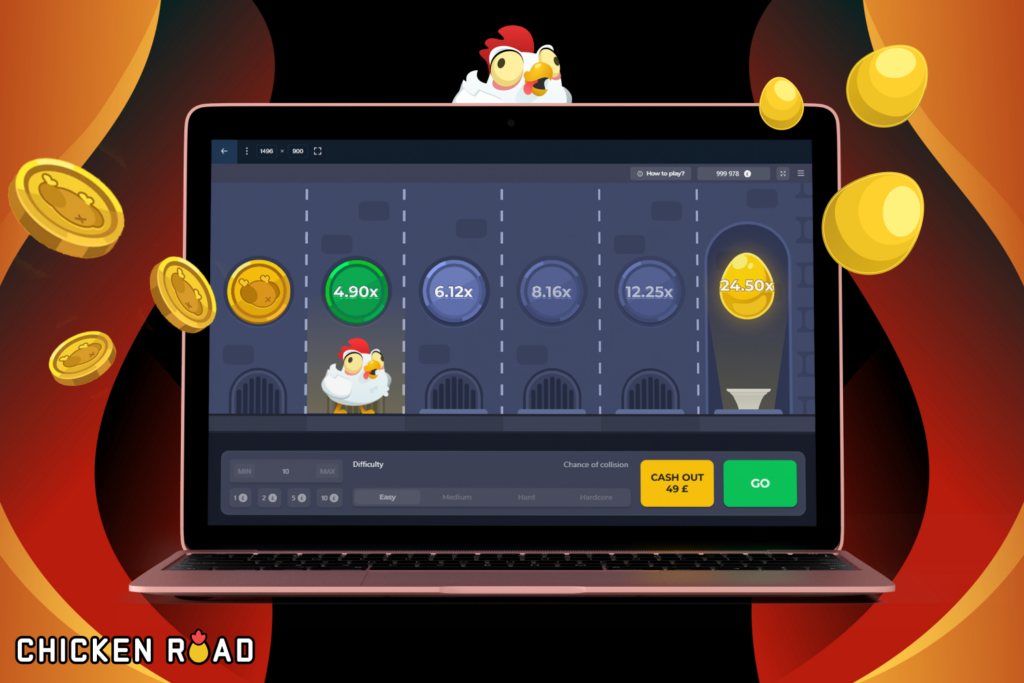
Many versions of Chicken Road also support keyboard shortcuts on desktop. The up and down arrow keys may raise or decrease the bet, while the spacebar triggers a spin. These shortcuts accelerate gameplay for experienced players who want to respond quickly to changing conditions. Regardless of the platform, the bet amount is always visibly displayed, and any wins are immediately added to the balance. This transparency assures that players always know exactly how much is at stake with every press of the spin button.
Analyzing the Maximum Bet and Its Payouts
At the far end of the spectrum, Chicken Road’s maximum bet appeals to thrill-seekers and those pursuing the game’s top prizes. The upper limit often reaches 100.00, 250.00, or even greater per spin, depending on the operator’s configuration. High-stakes play amplifies every aspect of the slot: a modest win appears substantial, and a bonus round can provide truly life-changing sums. The max bet button, usually indicated with a bold icon, instantly places the wager to its peak, but players should always check the amount before spinning.
Max bet spins activate the full potential of the game’s payout structure. Since all wins are scaled by the total stake, hitting a rare five-of-a-kind combination or starting a multiplier-rich free spins round at the highest bet can yield enormous returns. Some versions of Chicken Road may even set aside a special jackpot or upgraded bonus feature for maximum bet players, though this varies by game build. Checking the game rules carefully reveals whether any features are locked behind a specific bet level.
Responsible bankroll management becomes critical when trying the maximum bet. A run of ten non-winning spins at 250.00 per round can quickly drain a balance, so high rollers often establish strict loss limits before they start. The adrenaline rush is unmistakable, but the smartest max bet players view it as a calculated risk rather than a sure path to riches. Maintaining an eye on the balance and using the auto-spin loss-limit settings can help maintain control during intense sessions.
Chicken Road’s Betting System and Coin Mechanism
Setting the bet in Chicken Road is simple, due to a intuitive control panel located beneath the reels. Players will find distinct plus and minus buttons that adjust available bet sizes. The interface shows two key numbers: the coin value or total bet per spin, and the current balance. Some versions may feature a bet level selector alongside a coin denomination chooser, offering granular control over the final wager. This dual system allows low-stakes players and high rollers to fine-tune their risk with precision.
The coin system functions by combining a base coin value by a bet level or a fixed number of coins per way. For example, a coin value of 0.01 multiplied by a bet level of 10 might lead to a total spin cost of 0.10 if ten coins cover all ways. Otherwise, the game may simply indicate a total bet amount that jumps in preset increments, such as 0.20, 0.40, 1.00, 2.00, and so on. Knowing this structure assists players determine exactly how much each spin costs and how payouts correspond to the chosen stake.
Many players ignore the information button, but it is the key to understanding the bet system. Tapping the “i” or paytable icon reveals not only symbol values but also the exact betting rules, including coin ranges and any caps on maximum wagers. The interface may also contain a quick-max button that instantly sets the highest possible bet, a feature that high-stakes enthusiasts value. However, it is wise to double-check the total before spinning, as a single click can significantly increase the risk per spin.